Memory in Early Modern Europe, 1500-1800
0
0
As an Amazon Associate and affiliate partner, Menrva Books earns from qualifying purchases. Learn more
Author Description
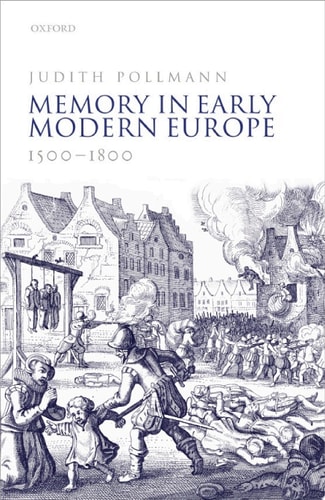
For early modern Europeans, the past was a measure of most things, good and bad. For that reason it was also hotly contested, manipulated, and far too important to be left to historians alone. Memory in Early Modern Europe offers a lively and accessible introduction to the many ways in which Europeans engaged with the past and 'practised' memory in the three centuries between 1500 and 1800. From childhood memories and local customs to war traumas and peacekeeping, it analyses how Europeans tried to control, mobilize and reconfigure memories of the past. Challenging the long-standing view that memory cultures transformed around 1800, it argues for the continued relevance of early modern memory practices in modern societies.
Menrva's Summary
THE THESIS
This book investigates how early modern Europeans actively constructed, manipulated, and utilized the past as a functional tool for identity and social order between 1500 and 1800. Judith Pollmann, a professor of early modern history, utilizes a wide array of cultural and social evidence to challenge the traditional historiographical assumption that memory practices underwent a radical transformation at the turn of the 19th century. She argues that early modern methods of engaging with history remain deeply relevant to understanding contemporary societal memory.
THE SCOPE MAP
What You Will Find
- Analysis of memory practices ranging from individual childhood recollections to collective local customs.
- Examination of how war trauma and peacekeeping efforts influenced historical narratives.
- Discussion of the political and social mechanisms used to mobilize and reconfigure the past.
Scope Limits
- The study focuses specifically on the European continent between 1500 and 1800.
- It does not provide a comprehensive history of political events, focusing instead on the cultural practice of memory.
THE AUTHORITY PERSPECTIVE
Scholars and students of early modern history frequently cite this work as a clear and accessible entry point into the complex field of memory studies. Experts highlight the book's ability to bridge the gap between academic historiography and broader cultural analysis.
Page Count:
242
Publication Date:
2017-01-01
Publisher:
OUP Oxford
ISBN-10:
0192518151
ISBN-13:
9780192518156
History
Early Modern
Memory Studies
Europe
Cultural History
Modern History
Historiography
Community Tags
Other Editions(3)

Similar Books