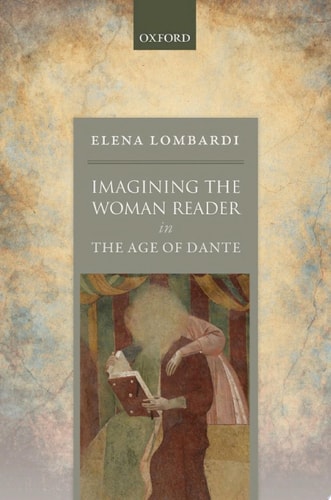
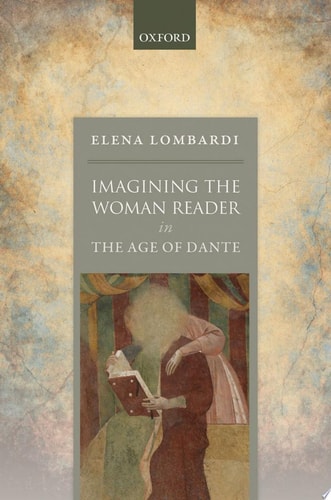
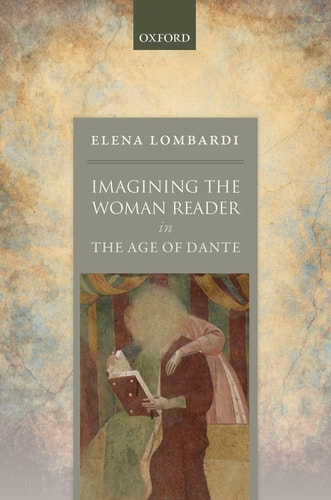
Imagining the Woman Reader in the Age of Dante
0
0
As an Amazon Associate and affiliate partner, Menrva Books earns from qualifying purchases. Learn more
Author Description
Imagining the Woman Reader in the Age of Dante brings to light a new character in medieval literature: that of the woman reader and interlocutor. It does so by establishing a dialogue between literary studies, gender studies, the history of literacy, and the material culture of the book in medieval times. From Guittone d'Arezzo's piercing critic, the 'villainous woman', to the mysterious Lady who bids Guido Cavalcanti to write his grand philosophical song, to Dante's female co-editors in the Vita Nova and his great characters of female readers, such as Francesca and Beatrice in the Comedy, all the way to Boccaccio's overtly female audience, this particular interlocutor appears to be central to the construct of textuality and the construction of literary authority. This volume explores the figure of the woman reader by contextualizing her within the history of female literacy, the material culture of the book, and the ways in which writers and poets of earlier traditions imagined her. It argues that these figures are not mere veneers between a male author and a 'real' male readership, but that, although fictional, they bring several advantages to their vernacular authors, such as orality, the mother tongue, the recollection of the delights of early education, literality, freedom in interpretation, absence of teleology, the beauties of ornamentation and amplification, a reduced preoccupation with the fixity of the text, the pleasure of making mistakes, dialogue with the other, the extension of desire, original simplicity, and new and more flexible forms of authority.
Menrva's Summary
THE THESIS
This study investigates the role and function of the imagined woman reader as a central figure in the construction of literary authority and textuality within medieval Italian literature. Elena Lombardi, a scholar of medieval literature, utilizes a multidisciplinary framework that bridges literary analysis, gender studies, and the history of material culture. By examining works from Guittone d'Arezzo to Boccaccio, the author argues that these female figures serve as more than mere intermediaries, instead providing authors with unique rhetorical advantages such as increased interpretive flexibility and a departure from rigid teleological structures.
THE SCOPE MAP
What You Will Find
- Analysis of female figures in the works of Dante, Guido Cavalcanti, and Boccaccio
- Examination of the intersection between medieval literacy and material book culture
- Theoretical framework regarding the 'woman reader' as a construct for vernacular authority
- Exploration of rhetorical benefits like orality, ornamentation, and the 'pleasure of making mistakes'
Scope Limits
- Does not provide a comprehensive history of actual medieval female literacy rates
- Focuses primarily on the literary construct of the woman reader rather than the sociological reality of historical women
THE AUTHORITY PERSPECTIVE
Scholars recognize this work as a significant contribution to the study of medieval Italian vernacular literature and gendered reading practices. Experts frequently highlight the text's ability to synthesize complex material culture with nuanced literary theory, making it a valuable resource for those interested in the evolution of the medieval authorial voice.
Page Count:
291
Publication Date:
2018-01-01
Publisher:
OUP Oxford
ISBN-10:
0192550942
ISBN-13:
9780192550941
English & College Success
Gender Studies
Criticism history
Literary Criticism
In literature
Italian
Literacy history
English
Community Tags
Other Editions(3)
Similar Books