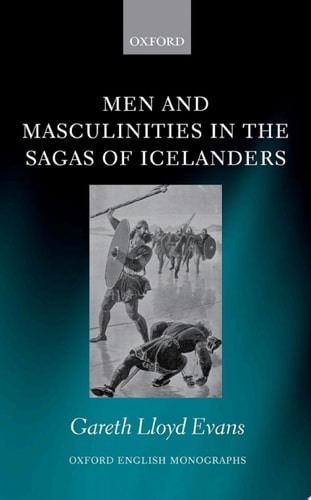
Men and Masculinities in the Sagas of Icelanders
0
0
As an Amazon Associate and affiliate partner, Menrva Books earns from qualifying purchases. Learn more
Author Description
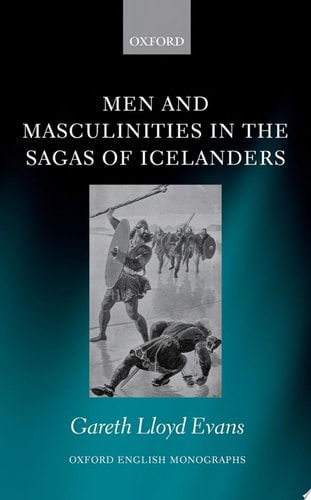
This volume is the first book-length study of masculinities in the Sagas of Icelanders. Spanning the entire corpus of the Sagas of Icelanders—and taking into account a number of little-studied sagas as well as the more well-known works—it comprehensively interrogates the construction, operation, and problematization of masculinities in this genre. Men and Masculinities in the Sagas of Icelanders elucidates the dominant model of masculinity that operates in the sagas, demonstrates how masculinities and masculine characters function within these texts, and investigates the means by which the sagas, and saga characters, may subvert masculine dominance. Combining close literary analysis with insights drawn from sociological theories of hegemonic and subordinated masculinities, notions of homosociality and performative gender, and psychoanalytic frameworks, the book brings to men and masculinities in saga literature the same scrutiny traditionally brought to the study of women and femininities. Ultimately, the volume demonstrates that masculinity is not simply glorified in the sagas, but is represented as being both inherently fragile and a burden to all characters, masculine and non-masculine alike.
Menrva's Summary
THE THESIS
This volume investigates the construction, operation, and problematization of masculinity within the corpus of the Sagas of Icelanders. Gareth Lloyd Evans, a scholar of medieval literature, utilizes a framework that integrates close literary analysis with sociological theories of hegemonic and subordinated masculinities. By applying concepts of homosociality, performative gender, and psychoanalytic theory, the author argues that masculinity in these texts is depicted as a fragile and burdensome construct rather than a monolithic ideal.
THE SCOPE MAP
What You Will Find
- Comprehensive analysis of the entire corpus of the Sagas of Icelanders
- Application of sociological theories regarding hegemonic and subordinated masculinities
- Examination of both well-known and lesser-studied saga texts
- Integration of psychoanalytic and gender-performative frameworks
Scope Limits
- Does not focus on the study of women or femininities except as they relate to the masculine experience
- Does not provide a general history of Iceland outside of the literary context of the sagas
THE AUTHORITY PERSPECTIVE
Scholars and students of medieval literature recognize this work as a significant contribution to the field of gender studies in Old Norse literature. Readers frequently note the academic density of the prose and the rigor with which the author applies modern sociological theory to ancient texts.
Page Count:
186
Publication Date:
2019-01-01
Publisher:
OUP Oxford
ISBN-10:
0192566857
ISBN-13:
9780192566850
History
Sagas
English & College Success
English
Literary Criticism
Gender Studies
Community Tags
Other Editions(3)

Similar Books